Is Boxing Good for Girls? Benefits, Myths & Getting Started
 Nov, 15 2026
Boxing Readiness Quiz
Answer these quick questions to see how well boxing aligns with your current fitness goals and personality.
Your Boxing Profile
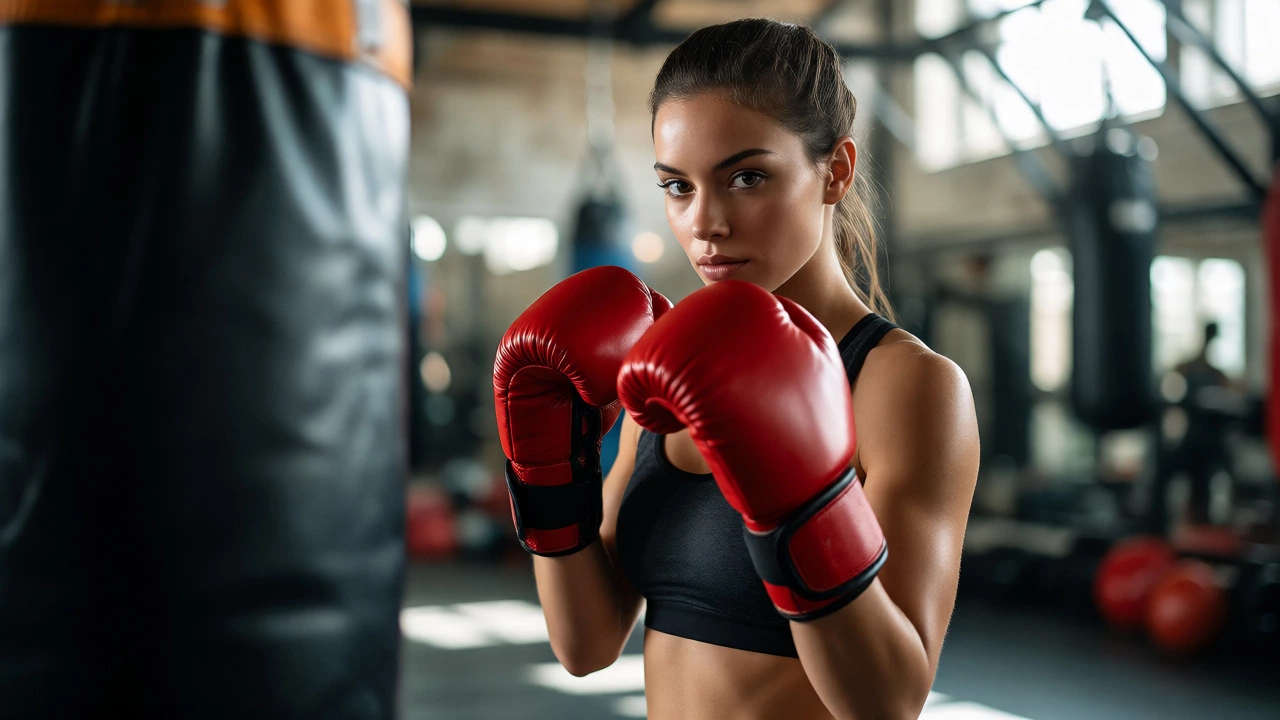
You see a woman step into the ring, gloves up, eyes locked on her opponent. Maybe you’ve seen it in movies, or maybe you saw your friend post a sweaty selfie after her first class. The immediate thought for many people isn’t "Wow, that’s impressive," but rather, "Is boxing actually good for girls?" It’s a question rooted in old stereotypes about femininity and aggression. But here’s the reality: boxing has exploded among women not because they want to fight each other, but because it offers something few other workouts can-total body conditioning, mental resilience, and genuine self-defense skills.
If you’re considering lacing up your gloves, you probably have specific worries. Will I get punched in the face? Will I look bulky? Is it safe? Let’s cut through the noise and look at what boxing actually does for the female body and mind, based on physiology and real-world experience.
The Physical Transformation: More Than Just Arms
One of the biggest misconceptions is that boxing makes you look "manly." That doesn’t happen. Women naturally produce significantly less testosterone than men, which means you won’t bulk up like a heavyweight champion just by hitting a bag. Instead, boxing creates a lean, athletic physique. It’s a high-intensity interval training (HIIT) workout disguised as sport. You aren’t just swinging arms; you are rotating your core, driving with your legs, and stabilizing your shoulders.
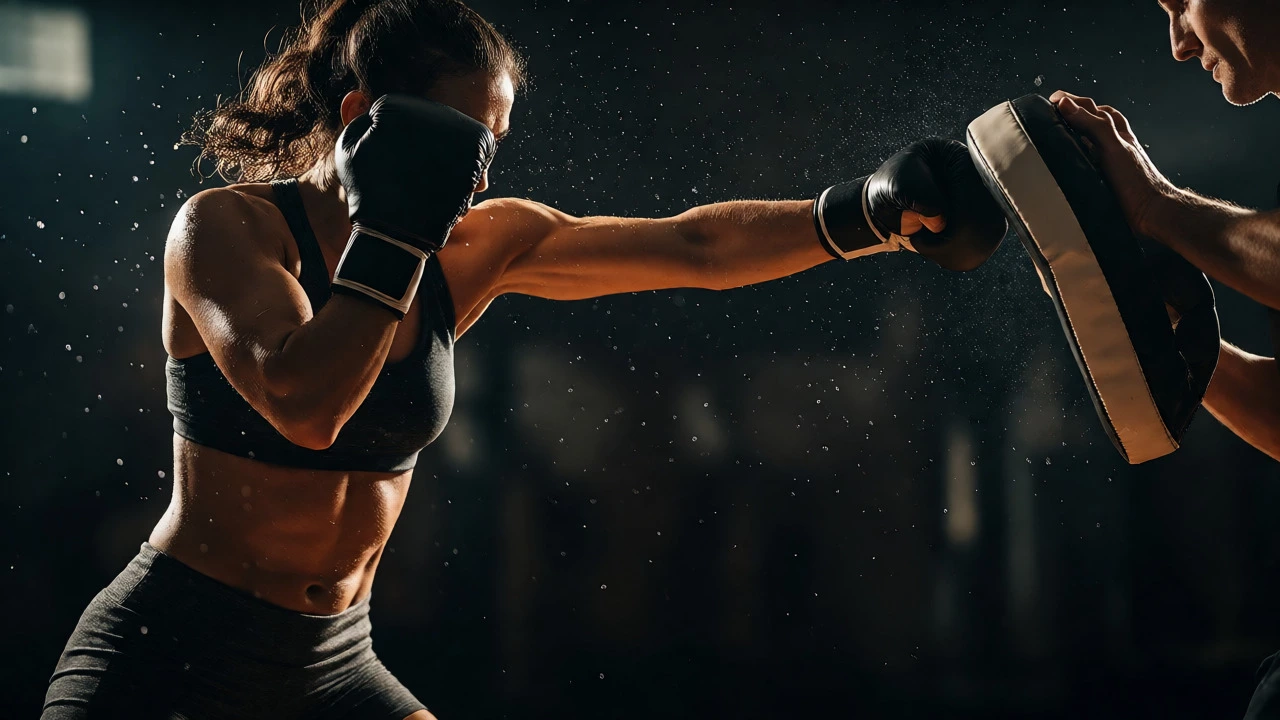
Think about the mechanics of a jab. It starts in your foot, travels up through your hip rotation, engages your obliques, and extends through your shoulder. This full-body engagement torches calories faster than steady-state cardio like jogging. A typical hour-long boxing class can burn between 500 and 800 calories, depending on intensity. For women looking to improve body composition without spending hours on a treadmill, this efficiency is a game-changer. You build functional strength-the kind that helps you carry groceries, move furniture, or climb stairs without getting winded.
Mental Health and Confidence Boost
Physical changes are visible, but the mental shift is often where women find the most value. Boxing demands total focus. When someone is trying to hit you, you can’t think about your email inbox or what you’re having for dinner. You have to be present. This mindfulness aspect acts as a powerful stress reliever. The rhythmic sound of gloves hitting pads can be meditative, allowing you to process daily frustrations physically rather than bottling them up.
Then there’s confidence. There is a distinct difference between feeling fragile and feeling capable. Learning to slip a punch, throw a combination, and take a light tap without flinching builds a sense of agency. Many women report that this confidence spills over into their professional lives. Standing your ground in the ring translates to standing your ground in a boardroom. It’s not about becoming aggressive; it’s about knowing you can handle pressure.
Self-Defense: Real Skills for Real Life
Let’s address the elephant in the room: safety. While boxing is primarily a sport, its roots are martial. Does it teach self-defense? Yes, but with caveats. Boxing teaches distance management, timing, and how to strike effectively. If you know how to throw a straight right hand with proper hip rotation, you understand the mechanics of generating power from a small frame. This knowledge alone is deterrent enough for many attackers.
However, pure boxing doesn’t teach grappling or how to defend against being grabbed from behind. So, while it’s excellent for striking defense and creating space to escape, it’s best viewed as one layer of personal security. Still, the ability to react quickly under adrenaline-fueled stress is invaluable. In a real-world scenario, the element of surprise and a solid strike to the nose or solar plexus can create the seconds needed to run away.
Debunking Common Myths
Fear holds many women back. Here are the three most common myths we hear at gyms:
- Myth 1: "I’ll get black eyes." Reality: Most classes focus on pad work, heavy bags, and technique drills. Sparring is optional and usually introduced only after months of practice. Even then, headgear and mouthguards are mandatory, and sparring partners go easy on beginners.
- Myth 2: "It’s too hard for me." Reality: Boxing is scalable. You don’t need to be an athlete to start. Coaches adjust intensity levels. If you’re out of shape, you go at your pace. The learning curve is steep, but the basics are simple enough for anyone to grasp within weeks.
- Myth 3: "It’s not feminine." Reality: Fitness culture has shifted. Strength is now celebrated. Many women find empowerment in mastering a skill traditionally dominated by men. It’s about capability, not conforming to outdated gender norms.
Getting Started: What to Expect
If you decide to try it, here’s how to navigate your first month. Don’t sign up for a competitive amateur match immediately. Look for "fitness boxing" or "boxercise" classes first. These are designed for general fitness and skill acquisition without the contact.
- Find the Right Gym: Look for a gym with a dedicated women’s section or a coach experienced in teaching beginners. Avoid places that seem overly intimidating or where everyone seems to be prepping for a pro title fight.
- Gear Up: You don’t need expensive equipment day one. Comfortable athletic wear, hand wraps (essential to protect your wrists), and a pair of 10oz-12oz gloves are standard. Most gyms offer loaner gloves, but buying your own wraps ensures hygiene and fit.
- Master the Stance: Your stance is your foundation. Keep your hands up to protect your chin. Keep your feet shoulder-width apart. Balance is key. If you’re off-balance, you’re vulnerable.
- Listen to Your Body: Boxing uses muscles you didn’t know you had, particularly in the shoulders and core. Soreness is normal. Rest days are crucial to prevent injury.

Comparison: Boxing vs. Other Popular Workouts
To help you decide if boxing fits your lifestyle, let’s compare it to other common activities women often choose.
| Feature | Boxing | Yoga | Running | Pilates |
|---|---|---|---|---|
| Calorie Burn (per hour) | High (500-800 kcal) | Moderate (200-400 kcal) | High (400-600 kcal) | Moderate (300-450 kcal) |
| Skill Acquisition | High (Technical complexity) | Moderate (Flexibility/Balance) | Low (Repetitive motion) | Moderate (Core control) |
| Self-Defense Utility | High (Striking/Distance) | Low | Low | Low |
| Mental Stress Relief | High (Focus required) | High (Mindfulness) | Moderate (Endorphins) | Moderate (Breathwork) |
| Injury Risk | Moderate (Wrist/Shoulder) | Low | Moderate (Knee/Shin) | Low |
Final Thoughts: Is It Right for You?
So, is boxing good for girls? Absolutely. It challenges you physically in ways that yoga or running might not, while offering a mental toughness boost that few sports provide. It’s inclusive, scalable, and incredibly effective for fat loss and muscle toning. The barrier to entry isn’t physical strength-it’s willingness to learn.
Start with curiosity. Go to a trial class. Wear comfortable clothes. Don’t worry about looking graceful; boxing is raw and gritty. You might hate the first ten minutes, but stick with it. Once you land your first clean combo on the bag, you’ll understand why so many women keep coming back. It’s not about fighting others; it’s about fighting your own limits.
Will boxing make my arms big?
No, boxing will likely tone and define your arms rather than making them bulky. Women generally lack the testosterone levels required for significant muscle hypertrophy (bulking). Boxing promotes lean muscle growth, resulting in a sculpted, athletic look.
Do I need to spar to do boxing?
Not necessarily. Many women participate in boxing purely for fitness, focusing on pad work, heavy bags, and speed bags. Sparring is usually optional and reserved for those who feel confident in their technique and want to test their skills in a controlled environment.
Is boxing safe for beginners?
Yes, when taught correctly. Beginner classes focus heavily on form and safety. Wearing proper hand wraps protects your wrists, and using appropriate gloves protects your knuckles. As long as you follow your coach’s instructions and warm up properly, the risk of serious injury is low.
How often should I train?
For noticeable results, aim for 2-3 sessions per week. This allows enough stimulus for improvement while giving your body time to recover. Boxing is intense, so rest days are just as important as training days to prevent overuse injuries.
What should I eat before a boxing class?
Eat a light meal rich in carbohydrates and moderate protein about 1-2 hours before training. Think banana with peanut butter, oatmeal, or a yogurt smoothie. Avoid heavy, fatty foods that sit in your stomach, as boxing involves a lot of twisting and jumping.