Do Running Shoes Matter for Beginners? The Honest Truth
 Oct, 25 2026
Running Shoe Advisor & Replacement Tracker
Find Your Ideal Shoe Type
Answer these questions to get a recommendation based on your foot mechanics and experience level.
Select options and click "Get Recommendation" to see which shoe features suit you best.
Shoe Replacement Tracker
Enter your current mileage to determine if it's time to buy new shoes. General guidance suggests replacing every 600–800 km.
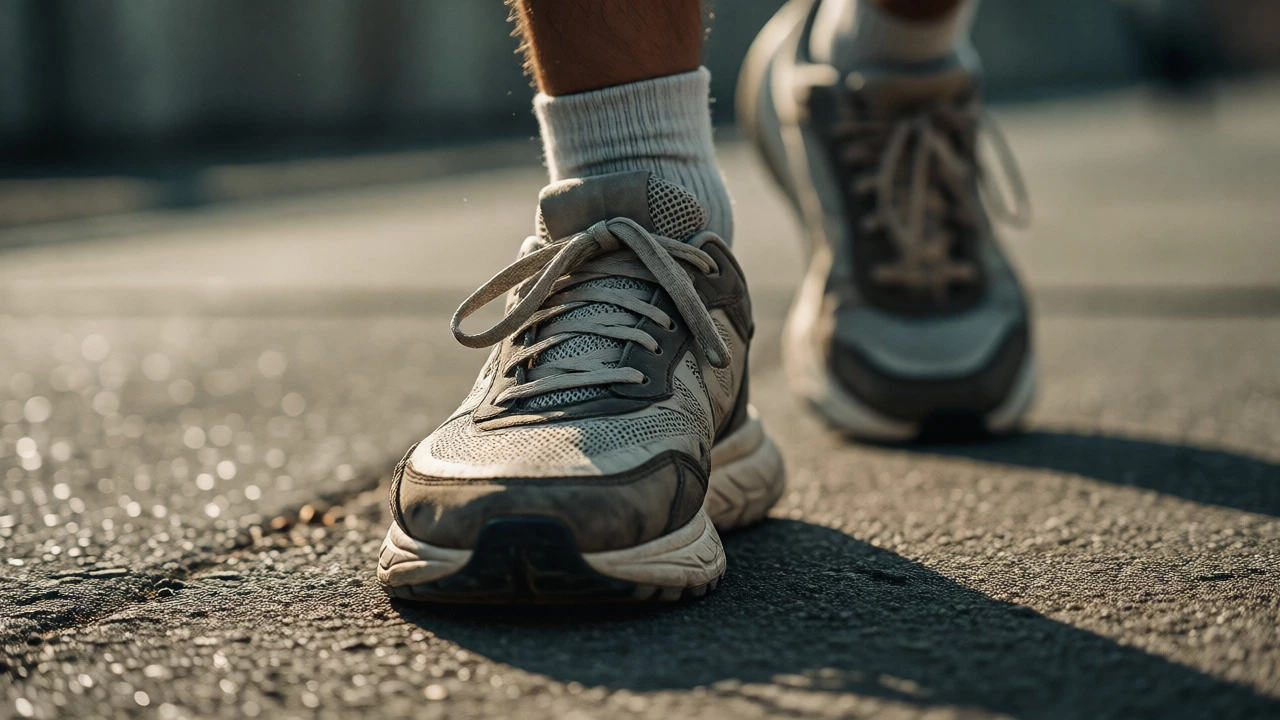
You just decided to start running. Maybe it’s a New Year’s resolution that stuck, or maybe you’re trying to escape the sedentary grind of office life. You lace up your old sneakers, hit the pavement, and within three kilometers, your shins are screaming and your knees feel like they’re grinding gravel. Did you do something wrong? Or did you just ignore the one piece of equipment that actually makes a difference?
The short answer is yes, running shoes matter, but not in the way marketing campaigns want you to believe. They aren’t magic wands that prevent all injuries, nor do they automatically make you faster. But they are the interface between your body and the ground, and getting that interface wrong can turn a healthy habit into a painful chore. Let’s break down what actually matters when you’re starting out, without the jargon.
Why Your Feet Need More Than Just "Any Shoe"
Your feet are complex machines. Each one contains 26 bones, 33 joints, and over 100 muscles, tendons, and ligaments. When you run, each foot strike generates forces up to three times your body weight. If you’re wearing flat-soled fashion sneakers or worn-out gym trainers, those forces travel straight up your legs with nowhere to go. This is where proper footwear steps in-not to add springiness, but to manage impact.
Running shoes are designed specifically to handle repetitive forward motion. Unlike cross-trainers, which support lateral movement for aerobics or tennis, running shoes have a heel-to-toe drop and cushioning patterns aligned with the natural gait cycle. For a beginner, this distinction is critical because your muscles haven’t yet adapted to the high-impact nature of running. Without adequate shock absorption, you risk common issues like shin splints or plantar fasciitis before you’ve even built up a base fitness level.
The Myth of the "Perfect" Shoe
Walk into any specialty running store, and you’ll be bombarded with terms: pronation, supination, neutral, stability, maximalist, minimalist. It’s enough to make your head spin. Here’s the truth: most beginners don’t need elite-level analysis. A study published in the British Journal of Sports Medicine found that comfort is a better predictor of injury prevention than technical features like arch support. That’s right-if the shoe feels good on your foot, it’s likely the right shoe for you.
However, "comfort" doesn’t mean softness. A cloud-like sole might feel great in the store, but if it lacks structural integrity, it can cause instability over long distances. Look for a balance. The midsole should compress under pressure but snap back quickly. The upper should hold your foot securely without pinching. And the toe box needs enough room for your toes to splay naturally. If your pinky toe is crammed against the side after ten minutes, walk away.
Fit Over Brand: How to Choose Correctly
Don’t buy shoes based on colorways or because your friend loves them. Buy them for your foot shape. Feet come in different widths and arch heights. Some people have high arches that require more cushioning; others have flat feet that might benefit from stability features to control excessive inward rolling. But again, don’t self-diagnose too strictly. Go to a store that offers gait analysis. Most reputable shops will watch you run on a treadmill for free. They’ll look at how your foot strikes the ground and whether your ankle rolls excessively (overpronation) or stays rigid (supination).
| Foot Type | Gait Characteristic | Recommended Feature | Example Brands |
|---|---|---|---|
| Neutral | Even wear pattern on sole | Balanced cushioning | Nike Pegasus, Brooks Ghost |
| Overpronator | Inner edge wears faster | Stability/Medial Post | ASICS Gel-Kayano, Saucony Guide |
| Supinator | Outer edge wears faster | High Cushioning/Flexibility | Hoka Bondi, New Balance Fresh Foam |
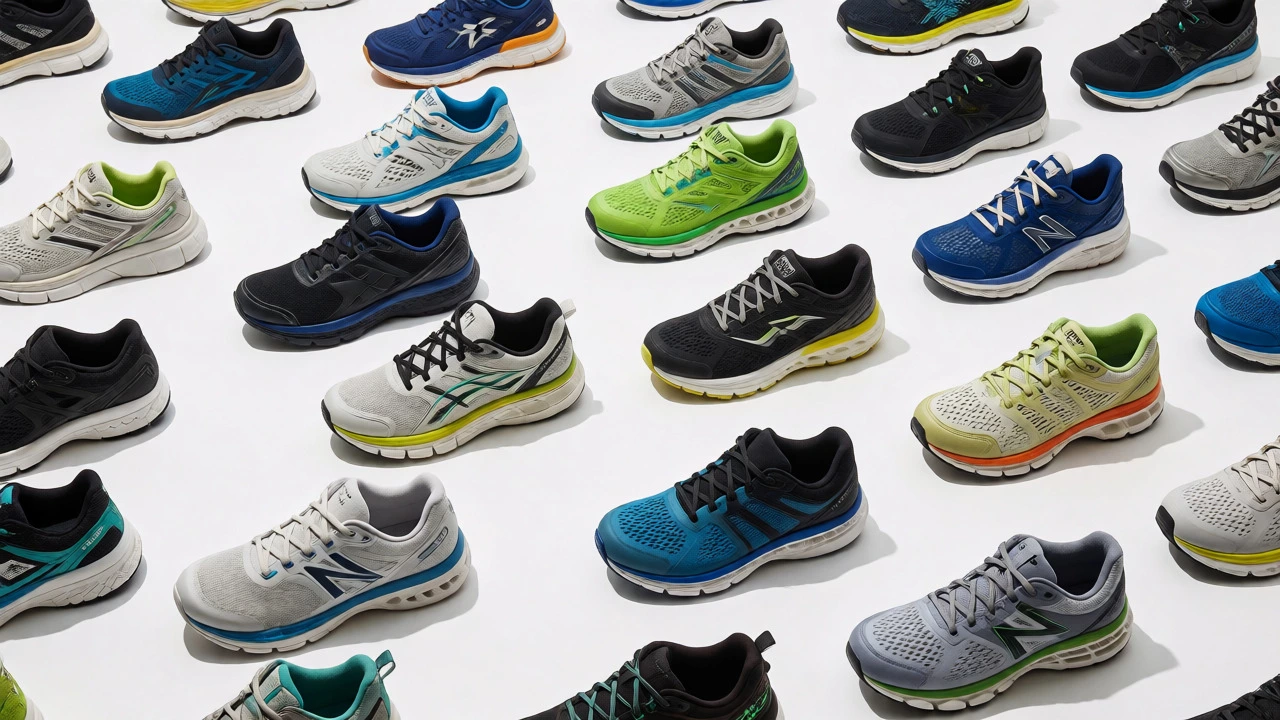
Notice I didn’t list every brand. The point is to find a model that fits your mechanics. In Sydney, where we run on everything from concrete sidewalks to coastal sand paths, versatility is key. A shoe with moderate durability and decent traction will serve you better than a lightweight racing flat that wears out in two months.
When Do You Actually Need Expensive Shoes?
Let’s talk money. A good pair of entry-level running shoes costs between $150 and $200 AUD. Premium models can exceed $300. Is the extra cost worth it? For beginners, usually no. The technology differences between a $180 shoe and a $280 shoe are marginal for someone running 5km three times a week. You’re paying for carbon plates, experimental foams, and lighter materials-features that benefit competitive runners shaving seconds off their time, not novices building endurance.
Save the premium budget for later. Start with a reliable workhorse shoe. Replace it every 600-800 kilometers. You’ll know it’s time when the foam feels dead or the tread looks smooth. Running on degraded cushioning increases joint stress significantly. Keep a log of your mileage per pair. Apps like Strava track distance automatically, so you can set a reminder when you hit 700km.
Breaking Them In: The Transition Period
Once you’ve bought the right shoes, don’t immediately attempt a half-marathon. New shoes change your biomechanics slightly. Even if they’re similar to your old ones, the new geometry requires an adaptation period. Wear them around the house first. Then take them for short walks. Finally, try a 2km jog. If you feel hot spots or unusual pressure points, adjust the lacing. Many runners skip the top eyelet, but using it can lock your heel in place and prevent sliding, which causes blisters.
Also, consider your socks. Cotton socks retain moisture and lead to blisters. Invest in synthetic or merino wool running socks. They wick sweat away and reduce friction. This small detail often matters more than the shoe itself for comfort during longer runs.

What About Barefoot or Minimalist Shoes?
You might see influencers promoting barefoot running as "natural." While humans evolved to run barefoot, modern lifestyles have weakened our foot muscles. Jumping straight into minimalist shoes without a gradual transition often leads to calf strains and Achilles tendonitis. If you’re curious, start by walking in them for a few weeks before attempting to run. Limit initial runs to 10% of your total weekly volume. Listen to your calves-if they tighten up, back off.
The Bottom Line
Do running shoes matter? Absolutely. They protect your joints, enhance comfort, and help you stay consistent. Consistency is the single biggest factor in improving as a runner. If your shoes hurt, you won’t run. If they’re comfortable, you’ll keep going. Focus on fit, comfort, and rotation rather than chasing the latest hype. Your future self, with happy knees and strong ankles, will thank you.
Can I use old sneakers for running?
It depends on their condition. If the midsole foam is compressed and the tread is worn unevenly, they lack shock absorption. Old sneakers also lack the specific geometry for forward motion, increasing injury risk. If they are less than a year old and used lightly, they might suffice for very short, slow jogs, but dedicated running shoes are safer.
How often should I replace my running shoes?
General guidance suggests replacing shoes every 600-800 kilometers. However, visual cues are important. Check for creasing in the midsole, uneven tread wear, or loss of bounce. Heavier runners may need to replace them closer to 500km, while lighter runners might get 900km. Comfort decline is a key indicator.
Do expensive shoes prevent injuries?
Not necessarily. Price does not equal protection. Studies show that comfort and proper fit are stronger predictors of injury avoidance than price tag. An expensive shoe that fits poorly will cause more problems than a cheaper shoe that matches your foot shape and gait perfectly.
Should beginners choose stability or neutral shoes?
Most beginners do well in neutral shoes unless they have severe overpronation confirmed by a professional. Modern stability shoes are subtler than older models. If you don’t have a history of knee or ankle pain, start with a neutral cushioned shoe. If you experience pain, consult a physiotherapist or specialist shop for advice.
Is it okay to run in trail shoes on the road?
Yes, but it’s not ideal. Trail shoes have deeper lugs for grip on dirt, which can feel unstable on hard pavement. They also tend to be heavier. If you mostly run on roads, stick to road-specific shoes. If you mix terrain, look for hybrid models designed for both surfaces.